+49 1573 030 2030 info@tinyhomeexpertise.com

Tiny House PRO | Tiny House knowledge

Insulation

Keeping cold and heat outside

Since almost every wall in a tiny house is also an external wall, effective insulation is particularly important. With inadequate insulation, a great deal of heat can be lost when outside temperatures are low, while in summer the house would heat up uncomfortably.

With insulation, it is not only the amount and type of insulation material that affects comfort in a tiny house, but also proper installation. Good insulation ensures a pleasant temperature in the house and at the same time has a positive influence on the indoor climate.

Not least, well-executed insulation also contributes to climate protection: it reduces energy consumption and therefore both CO2 emissions and heating costs.
Schilf
Good insulation ensures a pleasant living climate and keeps energy consumption low.

It’s the material that matters

Effective insulation is indispensable for protecting the tiny house from cold in winter and heat in summer, reducing energy consumption and creating a pleasant indoor climate. But which insulation materials are best suited to tiny houses, and what properties do they have? Here I present the most important insulation materials and give an overview of their advantages and disadvantages. Further down you will find explanations of the terms used.

Hanf-Dämmung

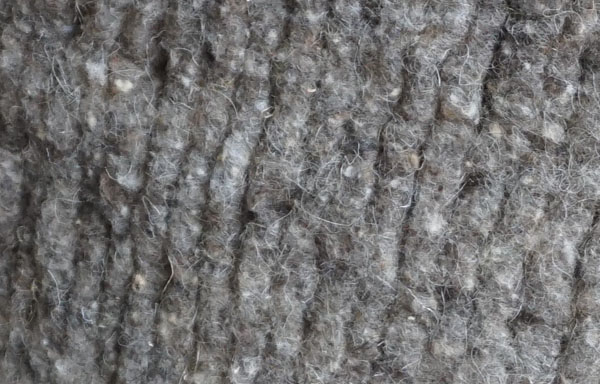
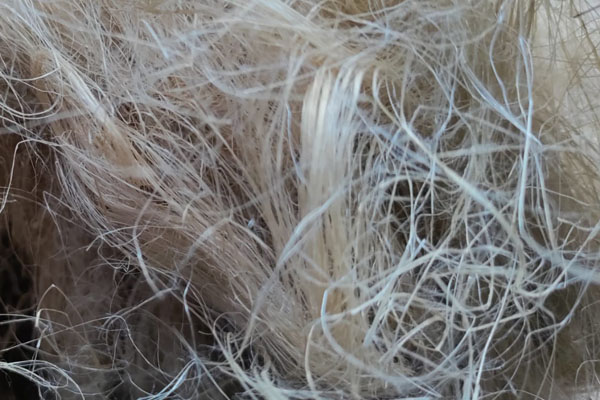
Sheep's wool

Hanf-Dämmung

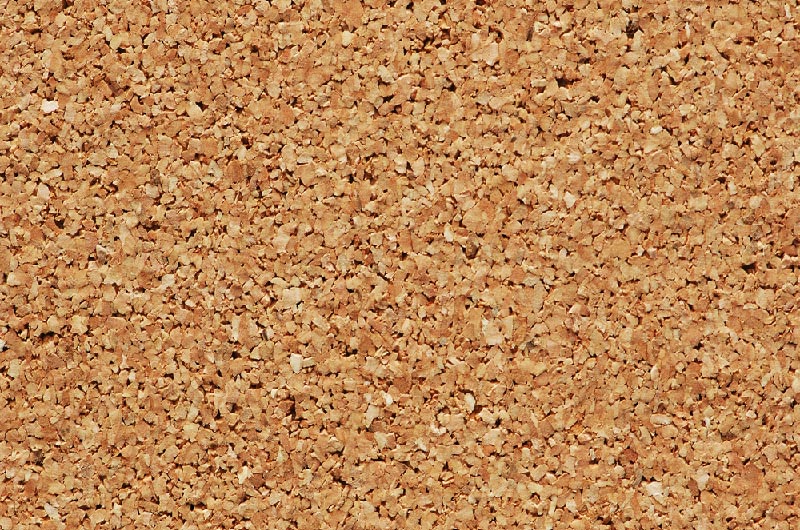
Cork

Hanf-Dämmung

Jute

Hanf-Dämmung

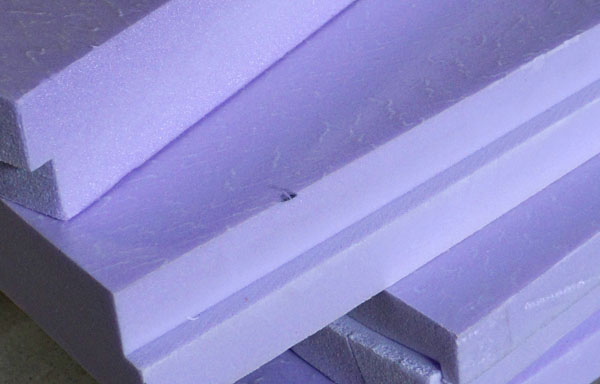
Polystyrene

Hanf-Dämmung

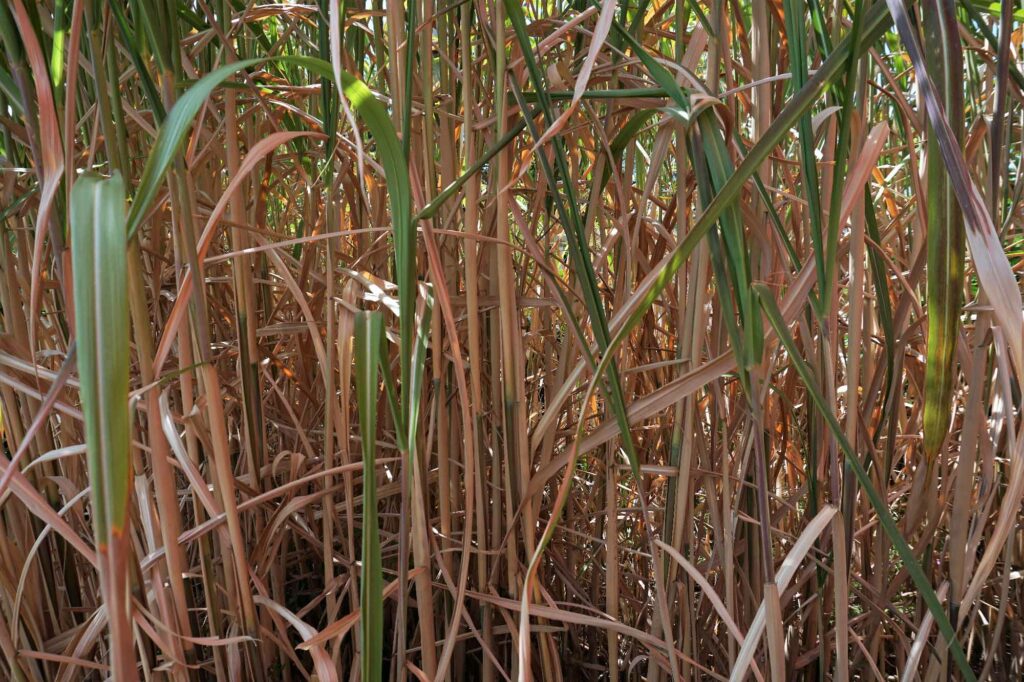
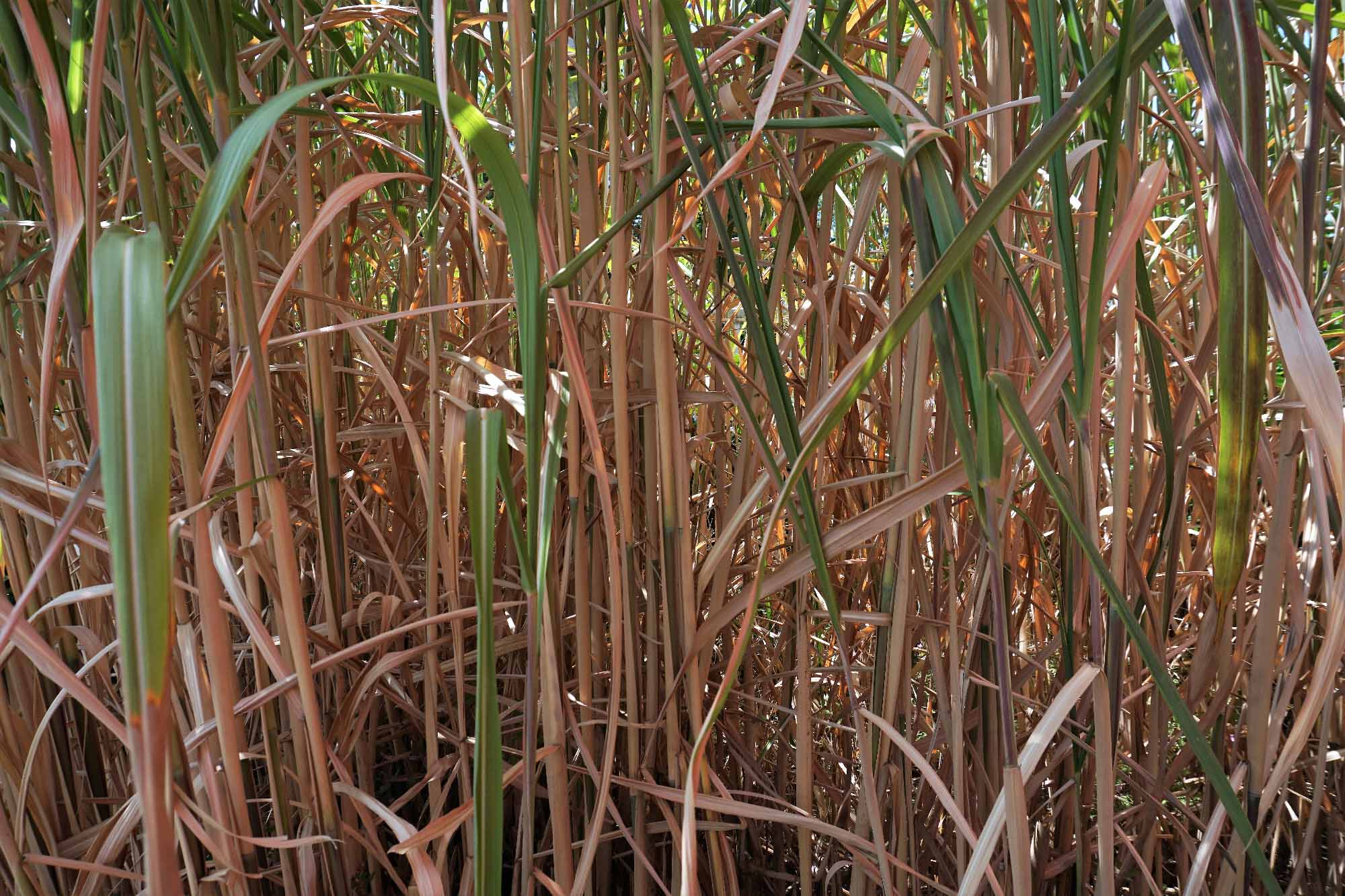
Reed

Hanf-Dämmung

Wood fibre

Hanf-Dämmung

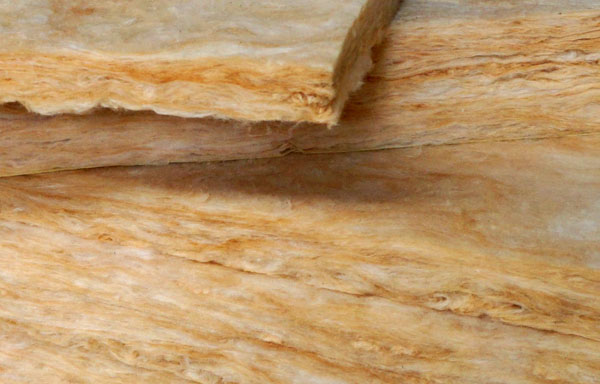
Mineral wool

Hanf-Dämmung

Flax

Hanf-Dämmung

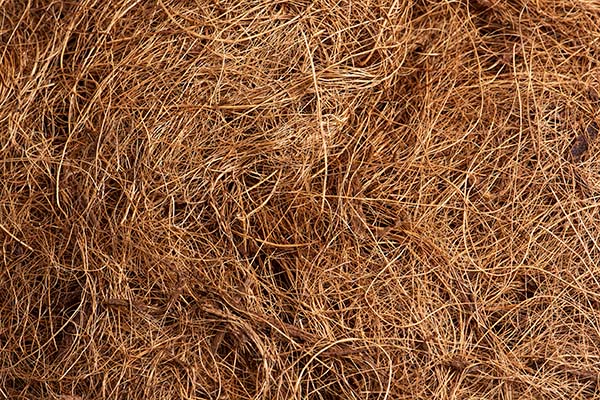
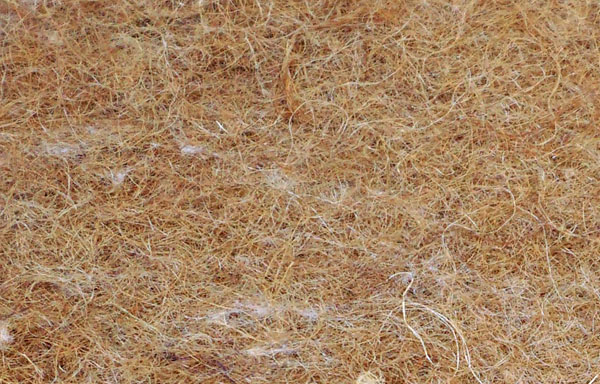
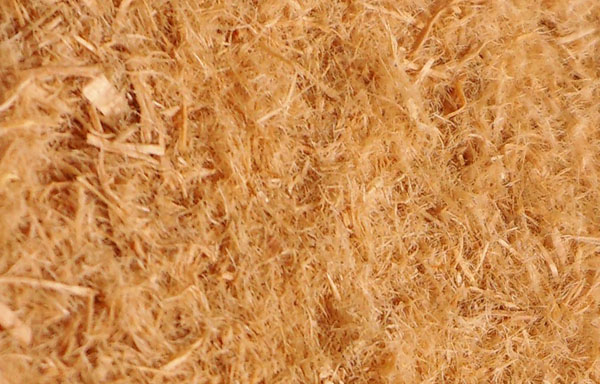
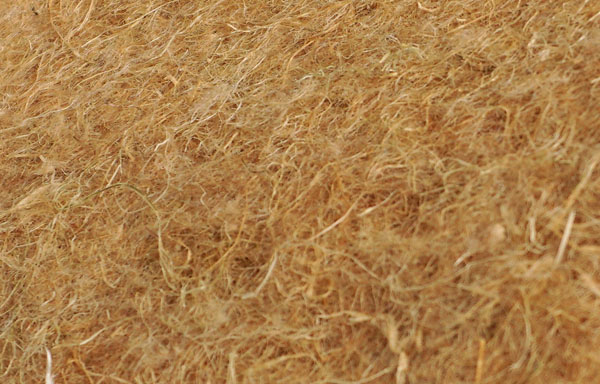
Coconut fibres

Hanf-Dämmung

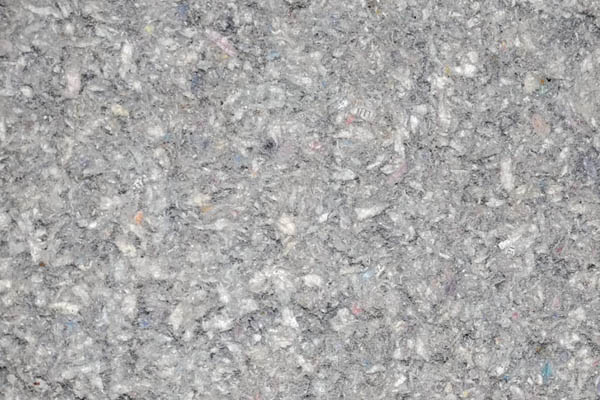
Cellulose

Terms & Definitions

Thermal conductivity:

(also called the U-value) is a material's ability to transport heat. It is given in W/(mK) (watts per metre and kelvin). The lower the value, the better the insulation. Values below 0.05W/(mK) indicate good thermal insulation. When it comes to thermal conductivity, it is above all the conventional insulation materials that score well. The thickness of the insulation depends essentially on a material's thermal conductivity.

Which insulation material ultimately suits your wall build-up depends on weight, wall thickness and budget. In the Tiny House consulting I go through this in detail for your project.

Heat storage capacity:

can be regarded as a measure of thermal protection in summer. It refers to the period between the highest temperature occurring on the outside of a material and that temperature being reached on the inside. Because of their generally higher bulk density, ecological insulation materials offer much better protection against overheating in summer. The more heat a material can store, the more slowly it responds to heating and cooling. In this way the material can have a balancing effect on the indoor climate. Wood and jute insulation materials perform best here.

Vapour diffusion resistance:

is the ability to exchange moisture; it is measured in μ (mu). The lower the value, the more easily water vapour can pass through the insulation material. The vapour diffusion resistance of the individual materials in an external wall should decrease from the inside outwards, in order to avoid condensation forming within the wall. Natural insulation materials in particular are also able to absorb moisture without losing their insulating effect. In the worst case, insulation materials with a high vapour diffusion resistance reduce moisture regulation at the walls. That leads to condensation and, as a result, to mould growth.

Indoor climate:

Improper thermal insulation can have a negative effect on the indoor climate. Insulation materials with a high vapour diffusion resistance can reduce moisture regulation at the walls, which can lead to condensation and, as a result, to mould growth. The heat storage capacity of a material mentioned earlier can also contribute to a pleasant indoor climate, especially in summer.

Fire protection:

Insulation materials are also divided into fire classes. Almost all ecological insulation materials fall into class B2, which stands for normally flammable. Conventional insulation materials achieve a higher fire class here, but often develop toxic fumes if they do catch fire. Natural insulation materials usually have soda added as a flame retardant, a salt that is also approved in the food industry.

Sound insulation:

Unpleasant background noise such as traffic, passing trains or the neighbour's dreadful taste in music can also play an important role in choosing an insulation material with regard to its sound-insulating properties.

Insulation thickness:

The insulation also affects the thickness of the wall. Whether you want or have to comply with the German Energy Saving Ordinance also comes into play here. Depending on the material and wall build-up, you end up with a wall thickness of 20–40 cm.

Weight:

The bulk density indicates how heavy an insulation material is. With mobile versions in particular, this factor should not be underestimated. This is also where the disadvantage of some ecological insulation materials lies, as they are simply too heavy for tiny houses.

Costs:

When choosing the insulation material, it is worth bearing in mind financially that good insulation has a positive effect on heating costs.

p
Not only thermal conductivity is important, but also heat storage capacity. If an insulation material has good values for both, it offers protection against cold as well as against overheating in summer.